Dealfront Review 2026: The Go-to-Market Platform Built for Europe
Well, let me be honest—finding the right B2B sales intelligence platform is exhausting. You’re drowning in options, each promising to revolutionize your pipeline, and most of them fall short. But then something like Dealfront comes along, and it’s worth taking a closer look, especially if you’re selling into the European market.
Dealfront isn’t just another lead generation tool tacked onto five other disconnected platforms. It’s a comprehensive go-to-market platform that combines sales intelligence, web visitor identification, and real-time buyer insights into one surprisingly cohesive experience. Whether you’re a scrappy SaaS startup or an established enterprise, Dealfront has something to offer—though like any tool, it comes with trade-offs worth understanding.

This review digs into the real strengths and weaknesses of Dealfront, breaking down pricing, features, and whether it’s actually worth the investment for your sales and marketing team.
Where Did Dealfront Come From?
Here’s a bit of context: Dealfront is the relatively new result of a merger between two respected European platforms—Leadfeeder (founded in 2012 in Finland) and Echobot (a German player from 2011). They officially merged to become Dealfront in 2023, bringing together over 250 employees spread across 30+ countries, with headquarters split between Karlsruhe, Germany, and Helsinki, Finland.
The backstory matters because it explains something fundamental about Dealfront‘s DNA: it was built in Europe, by Europeans, with European compliance and regulations in mind. This isn’t a US-centric tool that slapped on GDPR compliance as an afterthought. GDPR and data privacy are baked into the company’s foundation, making Dealfront particularly valuable if you operate in Europe or care deeply about data protection.
What Does Dealfront Actually Do?
Think of Dealfront as your personal research team for B2B outbound. It helps you answer a few critical questions:
Who visited my website? (And specifically, which companies visited—not just anonymous internet traffic.) What are those companies interested in? Are they actually the right fit for what I’m selling? How do I reach them effectively?
Dealfront handles this through a combination of three main pillars: sales intelligence, web visitor identification, and AI-powered insights. Let’s break these down because they’re genuinely different from what you might find elsewhere.
Sales Intelligence That Actually Feels Intelligent
Dealfront doesn’t just hand you a list of company names and hope you figure it out. You get access to a database of 60 million companies and 400 million verified contacts, with 100+ filters you can apply to narrow things down to people who actually fit your ideal customer profile.
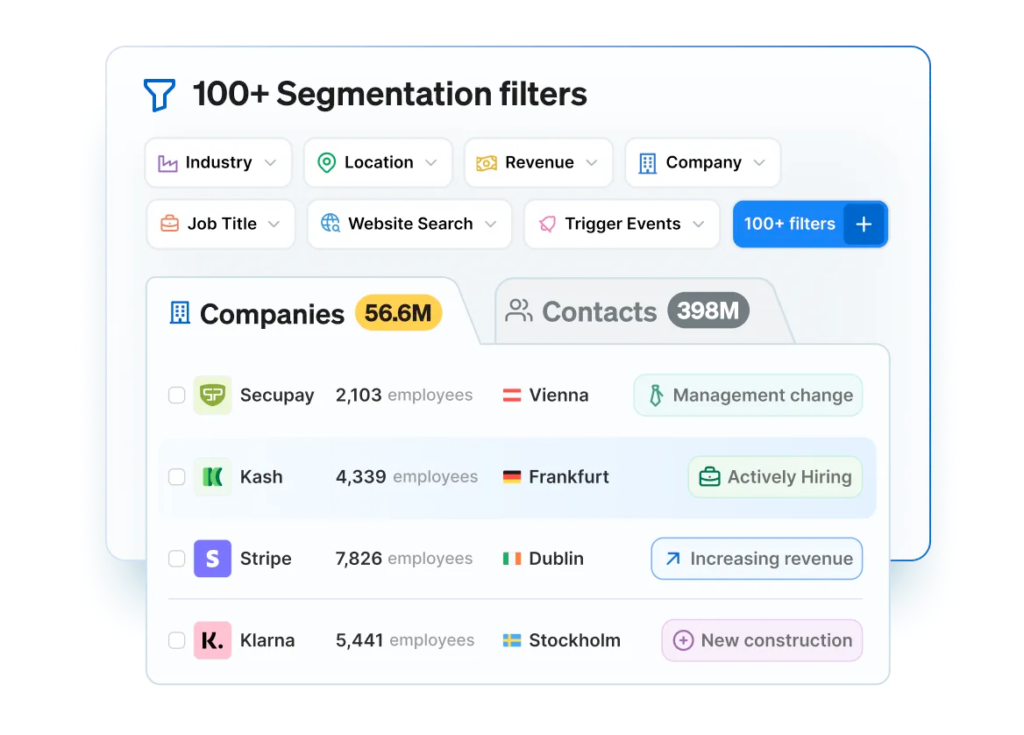
But here’s where it gets interesting: Dealfront includes real-time buying signals. This means if you’re targeting, say, mid-market tech companies in Germany that just raised funding, Dealfront can identify those companies and tell you they’re actively hiring for engineering roles (a buying signal for tools that accelerate hiring). It’s not magic, but it’s pretty close to useful.
Web Visitor Identification—The Secret Sauce
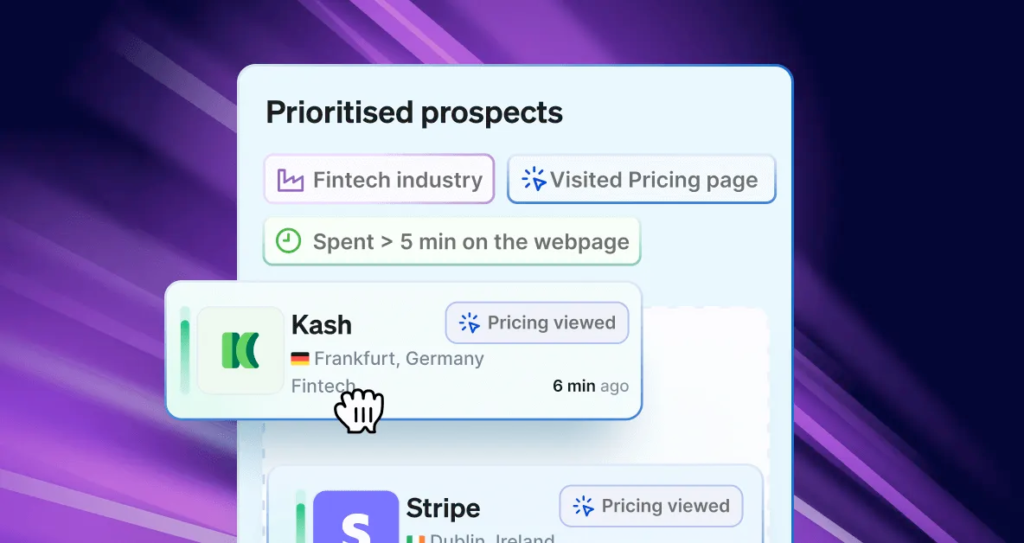
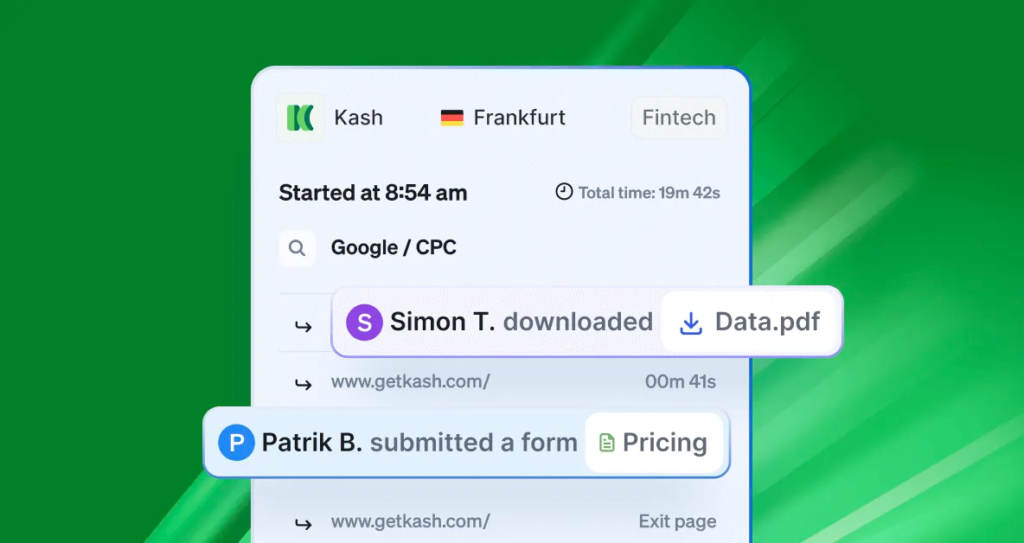
This feature is where Dealfront truly shines, and it’s inherited directly from the Leadfeeder side of the merger. If someone from a company visits your website, Dealfront can identify which company it was, even if they didn’t fill out any form or give you their email. This happens through Company-to-IP and IP-to-Company resolution technology, which is fancy-speak for “we know who you are based on your IP address.”
From a sales perspective, this is gold. You can see that Acme Corp visited your pricing page three times, spent 14 minutes on your features section, and checked out your ROI calculator. Then your sales team can reach out with “Hey, I noticed you’ve been checking us out—would love to discuss if we’re a fit.” It’s less cold outreach, more warm conversation-starter.
AI That Actually Saves Time
Dealfront has integrated AI across its platform in genuinely useful ways. Instead of manually researching companies, you can ask natural language questions: “Who are their recent acquisitions?” “What products do they sell?” “Are they expanding internationally?” The AI surfaces answers immediately, pulling from its database and external sources.
This might sound like a small thing, but when you’re qualifying 50 leads a day, cutting research time per company from 10 minutes to 2 minutes adds up fast.
Features That Make Dealfront Stand Out
Let’s talk specifics. Here are the features that genuinely differentiate Dealfront from competitors:
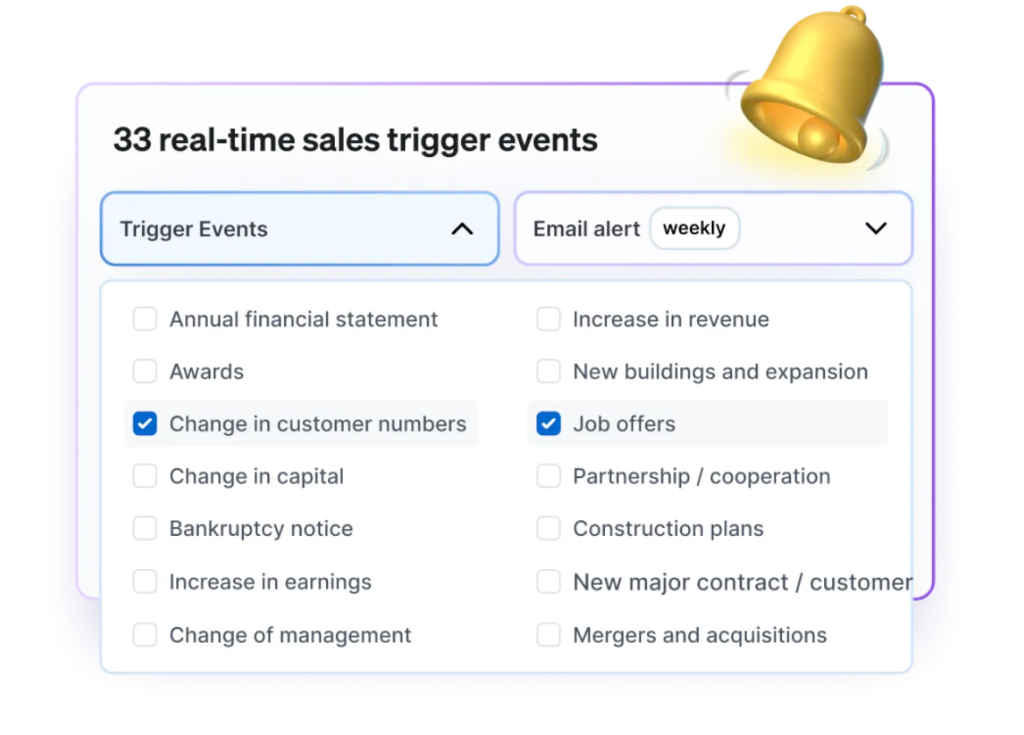
Buyer Intent Signals: Dealfront tracks digital footprints and online behavior to tell you which companies are actively interested in your space. This goes beyond “visited your website” to include behavior across the broader internet. Is that company downloading competitor case studies? Searching for solutions? Dealfront picks up on these signals.
IP Ranges API and IP Enrich API: If you have your own analytics platform or want to build custom integrations, Dealfront provides APIs to convert IP ranges and individual IPs into detailed company information. This is perfect for teams that want to integrate Dealfront data deeper into their tech stack.
Browser Extension: There’s a browser extension that lets you look up any company information without leaving your workflow. It’s frictionless and genuinely useful for sales reps who live in Gmail and LinkedIn.
AI Company Insights, AI Contacts, and AI Activity Summary: These three AI features work together to give you instant context about companies, their key decision-makers, and visitor behavior on your website. Honestly, these feel less gimmicky than AI features in most B2B tools.
Real-Time Alerts: Get notified when high-value accounts are engaging with your website or showing buying intent. Timing is everything in sales, and Dealfront helps you act in the moment.
Pricing: What You’ll Actually Pay
Let’s be straightforward about cost. Dealfront pricing is based on the number of companies it identifies visiting your website each month. There’s no “seats” pricing or “per contact” overages—it’s surprisingly clean.
The pricing looks like this:
- Base tier: $99/month (annual billing) for up to 50 companies identified
- Mid tier: Around $400-600/month for 200-500 companies
- Upper tier: Up to $1,199/month for 20,000-40,000 companies
The catch? If your website gets heavy traffic (which is a good problem to have), you might find yourself bumping up tiers regularly. On the flip side, all plans include unlimited users, unlimited tracked visits, and robust filtering options, which is genuinely valuable for larger teams.
According to Dealfront, most customers spend between $788 and $3,779 monthly, with an average of around $1,912. So if you’re trying to budget, assume a mid-to-upper tier cost unless you’re a very small company with minimal website traffic.
They do offer annual billing discounts—roughly 30% savings if you commit for 12 months, which is worth doing if you’re confident about your investment.
The Good Stuff: Why People Actually Use Dealfront
Alright, let’s talk about what Dealfront does well, because it does genuinely deliver value:
Intuitive interface: The platform is remarkably easy to navigate. You don’t need a three-day onboarding to figure out where things are or how to run a basic query. This matters more than you’d think—complexity drives adoption down.
Effective lead identification and filtering: Dealfront is genuinely good at surfacing the right leads. The filtering is granular enough to find niche audiences but simple enough not to overwhelm. One user noted, “The various filters are helpful in narrowing down the different types of contact information”—and they’re not wrong.
Strong value for European-focused companies: If you sell into Europe, Dealfront is probably a better choice than US-centric competitors. The data is fresher, the compliance is ironclad, and the team understands regional nuances.
Speedy onboarding and good support (sometimes): Many users report that Dealfront‘s onboarding is painless and their support team is responsive during the setup phase. You’re not left hanging figuring things out alone.
AI-powered context for faster qualification: Being able to ask “What products does this company sell?” and get an instant answer beats manual research. It’s not life-changing, but it’s genuinely helpful for fast-moving sales teams.
Excellent security and compliance: Dealfront holds ISO 27001 and ISO 27701 certifications, uses AES-256 encryption, and stores 100% of data within Europe. If data privacy matters to you (and it should), this is a major advantage.
The Rough Edges: Where Dealfront Falls Short
Now for the honest part. Dealfront isn’t perfect, and here’s what frustrated users consistently complain about:
Customer support can be hit-or-miss: The team responds quickly initially, but several users have reported frustrations with billing disputes and account cancellations. One reviewer complained about “horrible” customer support, particularly around billing issues. This seems to be an area where Dealfront needs improvement.
HubSpot integration is limited: This is a real pain point. Dealfront sends data to HubSpot, but only to notes fields, which makes it nearly impossible to set up meaningful automation. If HubSpot is your CRM, expect some workflow friction. One user said bluntly: “The integration with HubSpot sends everything to a note. Impossible to make automation in HubSpot with notes. More properties are needed.”
The export credit system feels restrictive: Dealfront limits how many contacts you can export based on a credit system. Some users find this frustrating and unintuitive—you have to think carefully about how many credits to use rather than just exporting what you need.
Performance issues and occasional bugs: A few users have reported slow loading times and system glitches. For a platform this price, stability should be flawless. These aren’t deal-breakers, but they’re worth noting.
Spam emails after cancellation: This is weird and disappointing—multiple users reported receiving unwanted marketing emails even after canceling their accounts. This feels unprofessional and suggests some operational issues.
Who Should Actually Use Dealfront?
Dealfront isn’t for everyone. It’s best suited for:
B2B SaaS companies selling into Europe: If your target market is Germany, France, UK, Scandinavia, or other European regions, Dealfront is a strong fit. The data quality and compliance are hard to beat.
Companies with moderate to heavy website traffic: If you barely get any visitors, the pricing might not make sense. But if you have a decent amount of inbound interest, turning that anonymous traffic into identified companies is incredibly valuable.
Sales teams that value data quality over quantity: Dealfront isn’t about flooding you with 10,000 random leads. It’s about surfacing the right opportunities, which resonates with teams focused on pipeline quality.
Organizations that care about compliance and data privacy: If you work in heavily regulated industries or have strict data governance requirements, Dealfront‘s European-first approach and certifications matter.
The Verdict
Dealfront is a solid, mature platform that genuinely helps sales and marketing teams identify and qualify B2B opportunities, particularly in Europe. The combination of web visitor identification, sales intelligence, and AI-powered insights is powerful, and the user experience is thoughtfully designed.
That said, it’s not without flaws. Customer support inconsistency, limited CRM integration in some cases, and occasional performance hiccups are real drawbacks that shouldn’t be ignored. The price point also assumes you have decent website traffic and are serious about investing in pipeline quality.
If you’re looking for a platform that combines lead generation, prospecting, and real-time insights in one place, and you’re selling into (or within) Europe, Dealfront is absolutely worth a trial. The free tier lets you test-drive the core features without commitment, so you can see if the value aligns with your needs.
Is it the perfect platform? No. But for the right team, in the right market, Dealfront can genuinely move the needle on pipeline growth and sales efficiency. That’s more than most tools can claim.
Read Our another Best CRM Tool Review: QuickBooks Review 2026: King of Small Business Accounting?