If you work in B2B sales, lead generation, or outbound marketing, there’s a good chance you’ve heard people talk about Apollo.io like it’s some kind of shortcut button for pipeline growth. And, well, in some situations, it really does feel that way. It combines a prospect database, outreach automation, CRM-friendly workflows, and sales intelligence in one platform, which is a big part of why so many startups and sales teams keep circling back to it.
But hype and usefulness are not always the same thing. A platform can look brilliant in a demo and still become irritating once you’re deep into daily use. So this review takes a practical angle. Not the glossy “everything is amazing” version, and not the dramatic “this tool ruined my life” kind of review either. Just a grounded look at what Apollo.io does well, where it gets clunky, how pricing works, and who will probably get the most value from it.
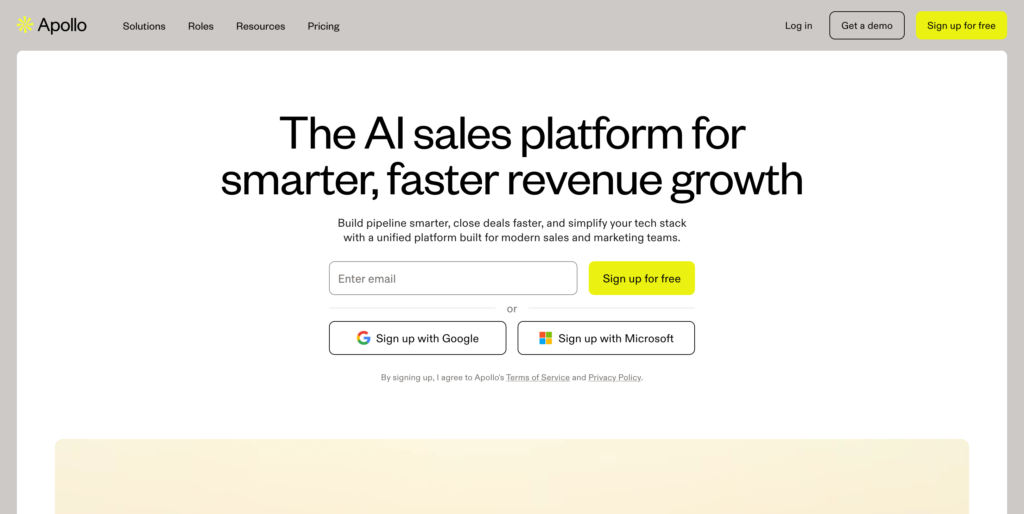
What Apollo.io Actually Is
At its core, Apollo.io is a sales intelligence and engagement platform built for B2B teams. In plain English, that means it helps you find business contacts and companies, organize those leads, and then reach out to them through structured outbound campaigns.
Think of it like a mix of contact database, email sequencing software, and prospecting workspace. Instead of using one tool to find leads, another to enrich contact details, and a third to send follow-ups, Apollo.io tries to keep everything under one roof. That’s the appeal. Fewer tabs. Fewer subscriptions. Less duct-taping your stack together.
For a solo founder doing early-stage outreach, that can be incredibly convenient. For a growing SDR team, it can feel like finally replacing a messy spreadsheet-and-Zapier setup with something that has a pulse.
First Impressions and User Experience
The first thing many people notice about Apollo.io is that it’s feature-rich. The second thing they notice? It can be a lot.
This isn’t one of those minimalist tools with three buttons and a friendly dashboard. Apollo.io gives you filters, tabs, contact records, sequences, analytics, enrichment options, calling features, and workflow tools. That depth is useful, but it can also make the interface feel busy. If you’re brand new to sales software, the learning curve may feel steeper than expected.
Still, once you get used to the layout, the platform starts to make more sense. It’s a bit like stepping into a cockpit. At first glance, it looks excessive. Then, after a few campaigns, the controls start feeling logical.
Core Features of Apollo.io
One of the strongest reasons people choose Apollo.io is the sheer breadth of what it offers. It isn’t only a lead list tool, and it isn’t only an email sender. It tries to be the operational center for outbound work.
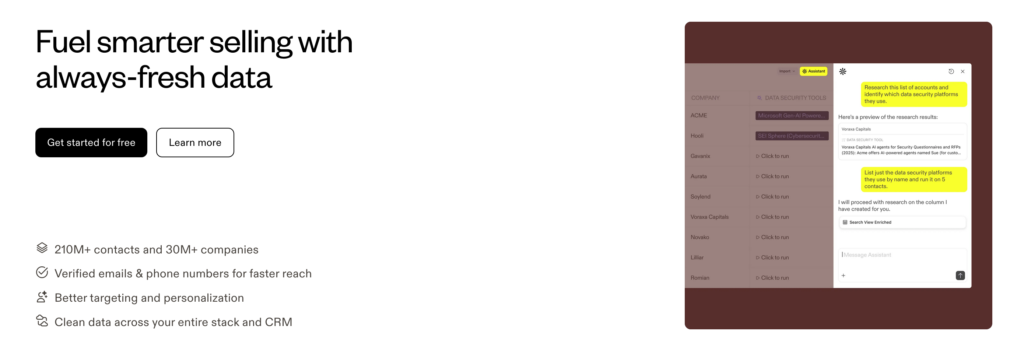
The contact and company database is the headline feature. Users can search for prospects using filters like industry, company size, location, job title, technologies used, hiring activity, and other targeting signals. That kind of filtering matters because a generic list of names is not very helpful. A narrow, relevant list is.
For example, imagine you run a SaaS product for HR teams in mid-sized firms. You don’t want “everyone in business.” You want HR directors, VP People, and talent leaders at companies between 50 and 500 employees, ideally in markets where your offer already converts. Apollo.io is designed for that style of search.
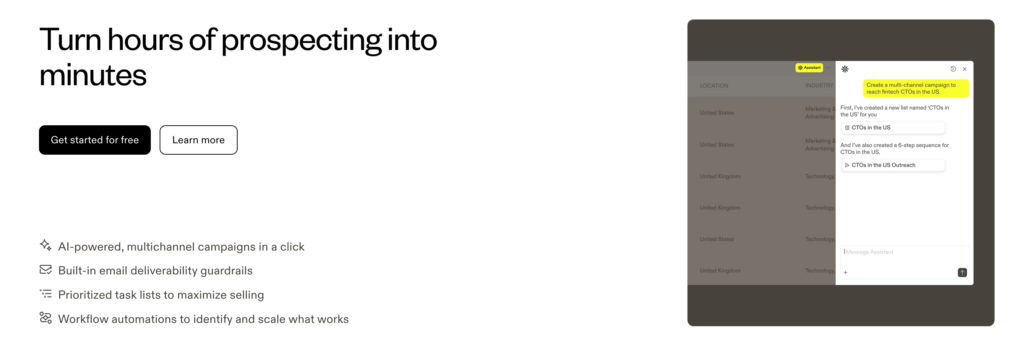
Then there’s sequencing. This is where the platform moves from research into action. You can build email sequences, automate follow-ups, and keep prospects moving through a consistent outreach flow. That means fewer manual reminders and fewer leads falling through the cracks because someone forgot to send a second message on Thursday.
Some plans also include dialing and call-related tools, which makes the platform more useful for teams that don’t want email to be their only channel. Add CRM integrations, analytics, and enrichment features, and you start to see why the platform gets described as “all-in-one.”
That label gets thrown around a little too casually in software, but here it’s not totally undeserved.
Lead Search and Filtering
This is probably where Apollo.io shines the most.
A good prospecting platform lives or dies by how easy it is to narrow down your ideal customer profile. Apollo.io gives users a wide range of filters, which makes list-building faster and more strategic. You can dig for very specific segments instead of exporting a bloated mess and cleaning it later.
Let’s say you’re selling cybersecurity services. You might search for IT managers or CISOs at companies in finance, with a certain employee count, located in the US or GCC, and using a specific cloud stack. That level of precision can save an enormous amount of wasted outreach.
And honestly, wasted outreach is more expensive than most teams realize. Not just in money, but in time, morale, and domain reputation.
Outreach Automation
This is the part many users end up depending on every day.
With Apollo.io, you can set up email sequences that automatically send follow-ups based on timing or prospect activity. If someone doesn’t reply, the next step goes out. If they open but don’t engage, you can adjust. If they book a meeting, they can be removed from the sequence.
That sort of automation sounds ordinary until you’ve tried doing it manually for 300 prospects. Then it suddenly feels magical.
A small agency owner, for instance, might use Apollo.io to contact marketing directors with a three-step sequence: intro email, case study follow-up, and final nudge. Without automation, that owner would spend half the week just babysitting reminders. With it, they can focus on replies and meetings instead.
Of course, automation only helps if your messaging is decent. Bad emails sent efficiently are still bad emails.
Data Enrichment and Intent Signals
Another reason teams like Apollo.io is that it goes beyond basic contact lookup. It also offers enrichment and, on higher tiers, intent-style data or signals that help users prioritize leads.
That matters because not all prospects deserve equal attention. If one company vaguely matches your ICP and another is actively showing signs of buying interest, the second one deserves to move to the top of the list.
In a practical sense, this can help teams stop chasing cold, low-probability prospects and spend more time where the odds are better. It’s a bit like fishing in a stocked pond instead of dropping a line into random water and hoping for drama.
Integrations and Workflow Fit
Software rarely exists alone, and Apollo.io knows that.
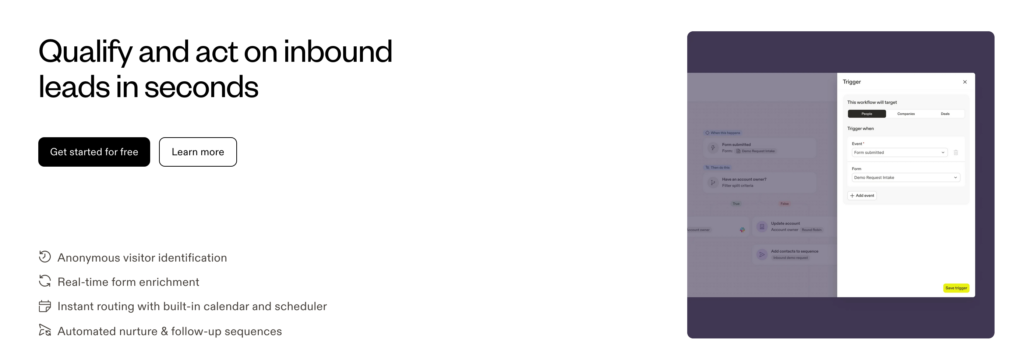
It integrates with common CRM and email tools, which is important for keeping your pipeline from turning into a scattered pile of duplicate records. If your team already uses HubSpot, Salesforce, Gmail, or Microsoft email, Apollo.io is clearly built to slot into that environment rather than force a total reset.
That said, setup still matters. A tool can have integrations on paper and still create chaos if your fields, ownership rules, or sync settings are messy. So the platform works best when someone on the team takes the time to structure things properly at the start.
Actually, this is one of those underrated truths in sales tech: the tool is rarely the whole problem. Sometimes the process is.
Apollo.io Pricing
Pricing is where things get a little less straightforward.
Apollo.io typically offers multiple tiers, including a free plan and paid options that scale by user seat and feature access. The entry-level paid plan is usually positioned as affordable, especially compared to enterprise data providers. That’s one of its strongest selling points. You can get started without the giant price tag associated with some bigger-name alternatives.
In general terms, the plans are commonly presented like this:
The free tier is for testing, light prospecting, or solo experimentation. It gives you limited access, but enough to understand the interface and run a few early searches.
The Basic plan is usually aimed at individuals or smaller teams that need real outbound functionality without paying enterprise-level rates.
The Professional plan is where Apollo.io starts feeling substantially more capable. This is often the sweet spot for active sales teams because it tends to include stronger automation, more reporting, and calling-related functionality.
The Organization tier is more suitable for larger teams that need admin controls, advanced reporting, stronger security settings, and broader team management features.
Now, here’s the catch: pricing is not just about the monthly number on the landing page. Credits matter. Limits matter. Seat count matters. And those details can change the real cost more than people expect.
A founder might look at a plan and think, “That’s cheap.” A 12-person outbound team might look again three months later and realize the bill has multiplied, credits are getting used faster than expected, and they now need add-ons or a higher tier. That doesn’t make the platform overpriced, but it does mean the low entry price can be a little deceptive if you scale quickly.
Is the Pricing Fair?
For small and mid-sized B2B teams, yes, often it is.
Compared with many enterprise-grade sales databases, Apollo.io is generally seen as more accessible. If your alternative is stitching together a separate prospecting tool, enrichment provider, sequencer, and dialer, Apollo.io can be financially attractive.
But “fair” depends on usage style. If your team burns through credits fast, relies heavily on exports, or needs broader admin control, costs can rise in ways that aren’t obvious on day one. So it’s a good-value platform, but not always a simple-value platform.
That distinction matters.
Pros of Apollo.io
One of the biggest advantages is convenience. Having prospect data and outreach tools together saves time and reduces operational friction. You’re not jumping from one app to another every ten minutes just to complete a basic workflow.
Another major strength is accessibility. Apollo.io gives smaller companies access to features that used to feel reserved for better-funded sales organizations. A lean startup can use it to build a fairly serious outbound engine without committing to a massive software spend.
The filtering and search capability is also a genuine plus. This is not a flimsy database with vague categories and wishful targeting. When used properly, it can help users carve out very relevant prospect lists.
And then there’s the free plan. For testing and early validation, that kind of entry point is useful. You can get a feel for the system before making a larger commitment.
Cons of Apollo.io
No honest review skips the weak spots, and Apollo.io definitely has a few.
The first is complexity. There’s a lot happening in the platform, and not all of it feels immediately intuitive. Some users will love the depth. Others will open the dashboard and think, “Why are there seventeen things on this screen?”
Another issue is data quality variance. No lead database is perfect, and Apollo.io is no exception. Some industries, roles, or regions may produce stronger results than others. If your targeting is very niche, you may still need manual verification.
Credit-based usage can also become frustrating. On paper, the system makes sense. In practice, it can leave users watching limits more closely than they’d like. That’s especially true for teams running large-scale campaigns.
And then there’s support and billing frustration, which tends to show up in user discussions about many SaaS tools, not just this one. It doesn’t mean every customer has a bad experience, but it’s one of those recurring themes worth paying attention to before committing to a larger contract.
Who Should Use Apollo.io?
It makes the most sense for B2B teams that want one tool to handle prospecting plus outreach.
If you’re a startup founder trying to book your first 20 demos, Apollo.io can be very useful. If you run a small agency and need a steady flow of targeted prospects, it can also fit nicely. If you manage a growing SDR team and want a practical middle ground between bare-bones tools and expensive enterprise platforms, it’s a sensible option.
It may be less ideal for businesses that require ultra-precise data in very narrow regions or highly specialized sectors. It can also feel overbuilt for people who only need a simple contact finder and nothing more.
So, is it for everyone? Not really. But it does cover a broad slice of the B2B outbound market rather well.
Final Verdict on Apollo.io
Well, here’s the straightforward answer: Apollo.io is one of the more compelling all-in-one platforms for B2B prospecting and outbound sales, especially for teams that want strong functionality without stepping into high-end enterprise pricing.
Its best qualities are easy to see. Powerful lead search, flexible outreach tools, useful integrations, and a relatively approachable pricing structure at the lower tiers. Its downsides are also real. The interface can feel crowded, credits can be annoying, and the value depends heavily on how your team actually uses it.
If you want a polished, practical platform that helps you find leads and contact them without juggling five different subscriptions, Apollo.io is absolutely worth considering. If you need flawless data, ultra-transparent usage limits, or something radically simple, you may find parts of it irritating.
That’s probably the fairest way to put it. Not perfect. Not overhyped nonsense either. Just a strong, versatile sales platform that can work very well when it matches the shape of your workflow.
Read Our another Review: Outgrow Review 2026: Interactive Content, Pricing & Features